You are now browsing all posts tagged with Jiuzhaigou Attractions


The Jiuzhaigou Therapy II

Vote for TravelerFolio.com
Hi Friends! This is one of the 3 posts that is submitted for the nomination of Best Photo Blog category by OMY Singapore Blog Awards. I must hereby THANK the panel of judges from OMY’s editorial team for selecting TravelerFolio.com as one of the top ten finalists in the Photo Blog category.

Please leave your comment in this post if you like it.

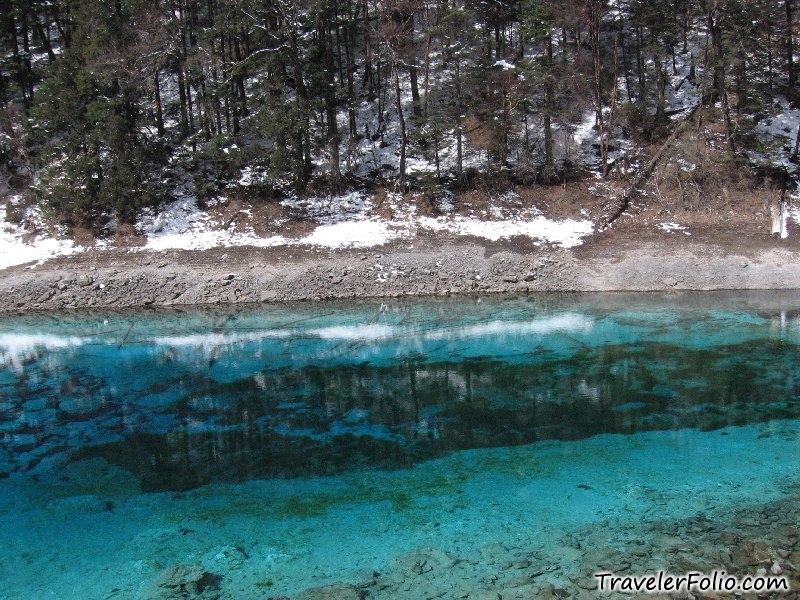
Jiuzhaigou is best known for its splendid multi-level waterfalls and the brilliantly coloured lakes. When the guide told us the Tibetans affectionately call the Jiuzhaigou lakes as “Hai zi”, we thought it was “孩子” or “children”. The correct one is “海子”, which means “sons of sea”.

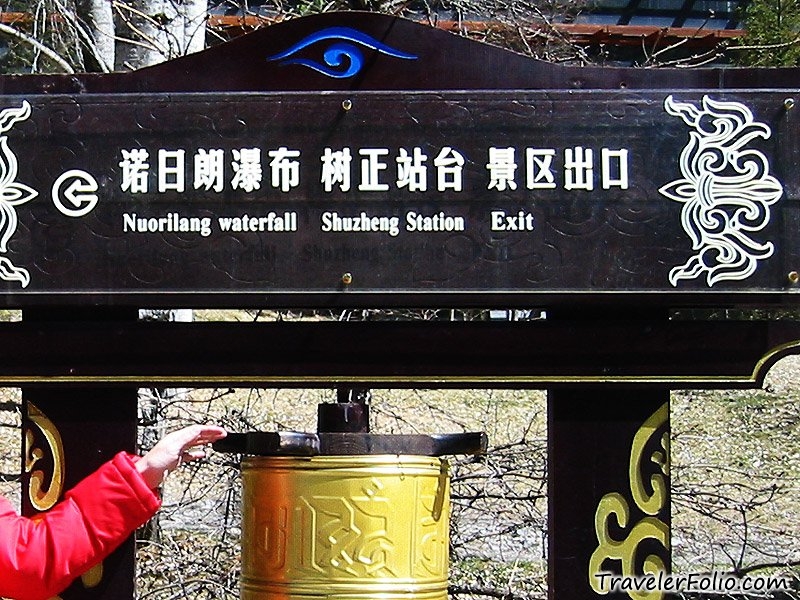
Nuorilang waterfall / 諾日朗瀑布 – reportedly the widest highland waterfall in China. Glaciers are still seen at the waterfall in March.

Read More »

Jiuzhaigou National Park Earthquake Report

03 Sept 2008: Latest Update on Jiuzhaigou National Park Earthquake Report >> Click Here!

Update: 10 July 2008.

Kieran Fitzgerald, Sustainable Tourism and Marketing Adviser from Jiuzhaigou National Park, Sichuan, China, has the following update:

Hi Eunice,

Just a quick update on Jiuzhaigou:

Jiuzhaigou is open to tourists and never actually closed after the earthquake since there was no damage in the area. Flights are open to all independent tourists but I think travel agents still aren’t officially allowed to send groups.

There are buses running from Chadianzi (Chengdu) to Jiuzhaigou every day at 8am arriving at around 6pm. Buses from Xinanmen (Chengdu) are also running 3 times a week.

There are buses running in the park and it is possible to get off and walk if you like. Only some paths are closed now. But it is possible to walk along the roads although this isn’t strictly allowed. If you tell the bus drivers that you want to walk they won’t make you get on the buses.

There are wild flowers in bloom and the sun is shining 9 out of every 10 days. The park is green and the water level is high which means the waterfalls are spectacular. To see Jiuzhaigou with so few tourists in July is something that is not likely to ever happen again!! The chance of seeing wildlife is a lot higher as a result.

Regards,

Kieran Fitzgerald
Sustainable Tourism and Marketing Adviser
Jiuzhaigou National Park, Sichuan, China
kieranjiuzhai@gmail.com

Hey folks! Kieran from Jiuzhaigou has emailed me the earthquake report dated on 15 May 2008 on Jiuzhaigou National Park. Below is his email:

I’d like to provide you information on Jiuzhaigou National Park in Sichuan for your readers. We probably had over 10,000 tourists in the park on Sunday and Monday and there were no injuries reported. Here is a report on the situation…

Jiuzhaigou National Park Earthquake Report

Jiuzhaigou National Park has not been significantly damaged physically. Many staff members have still not been able to contact family members and they are our priority at the moment.

The roads from Chengdu to Jiuzhaigou are blocked due to the earthquake of 12th May 2008 and are expected to remain that way for some time. The best way to get to Jiuzhaigou is to fly although the government has warned against any unnecessary travel to the whole region for the moment. Flight schedules have been affected by the disaster however.

Read More »

Fairyland Jiuzhaigou

I made my trip to Jiuzhaigou in the spring month of March in 2006 and the stunning beauty of the fairyland were photographed to leave fond memories here.

Jiuzhaigou (九寨沟) is a valley, a nature reserve and is 330 km north of the provincial capital of Chengdu, Sichuan province of China . It is part of the Jiuzhaigou County in the Aba (阿坝) Tibetan (藏族) Qiang (羌族) Autonomous Perfecture (阿坝藏族羌族自治州) near the Gansu border, and the remote region was inhabited by various Tibetan and Qiang peoples for centuries, and was officially discovered by the government in 1972. The area becomes a national park in 1982 and was declared by UNESCO as a World Heritage Site in 1992.

The essence of Jiuzhaigou valley is water and is best known for its magnificent waterfalls and colourful placid lakes. The lakes are famous because of their transparency and their high calcium proportions which have preserved tree trunks that were fell into the lakes, for hundred of years! The fascinating valley, coupled together with its unique habitants of the Tibetans and Qiang tribes, have formed an exotic haven from the rest of the world.


Read More »

The Jiuzhaigou Therapy I

The Jiuzhaigou Valley, with rich forest resources, has more than 10,000 negative oxygen ions per cubic metre of air and can be as high as 80,000. In Beijing, on the other hand, has only 1,000 negative oxygen ions per cubic metre of air on a good quality air day. We were told that it’s the waterfalls that produce so much negative ions. So folks, breath in deeply when you are in the valley!

Read More »

The Jiuzhaigou Therapy III

You will often see colourful rectangular clothes strung along mountain ridges by the Tibetans. These are prayer flags and the Tibetans believe that when the wind blows the flags, it will spread the good will and bring benefit to all.

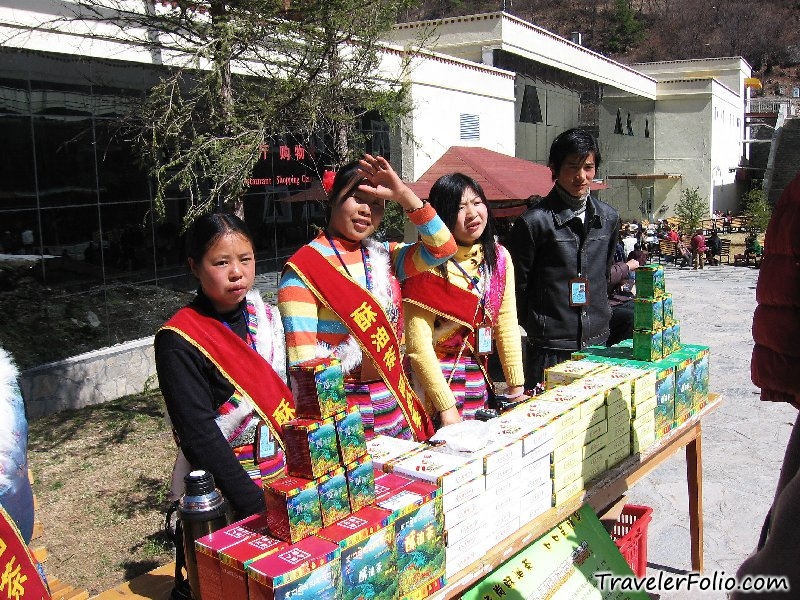
This centre in Jiuzhaigou has rows of stalls selling nice and very cheap gem stones, accessories and handicraft. Remember to bargain too. We had our buffet-style lunch here, queuing up to get food like Chinese workers in a big and crowded canteen.

Barks of these trees were used by the natives to write love letters in the past.

Next: the exotic Min River

The Tibetan Folk Arts Performance

The Tibetans presented us all with the traditional Tibetan welcome of a white scarf to put around our neck, as we entered the Tibetan concert & performance show. Just before it started, we went through a welcome ceremony with the Tibetans by drinking the bowl of wine in front of us at our seats.

A Tibetan ceremony – we were all welcomed to go on stage to join them the ritual of blessing.

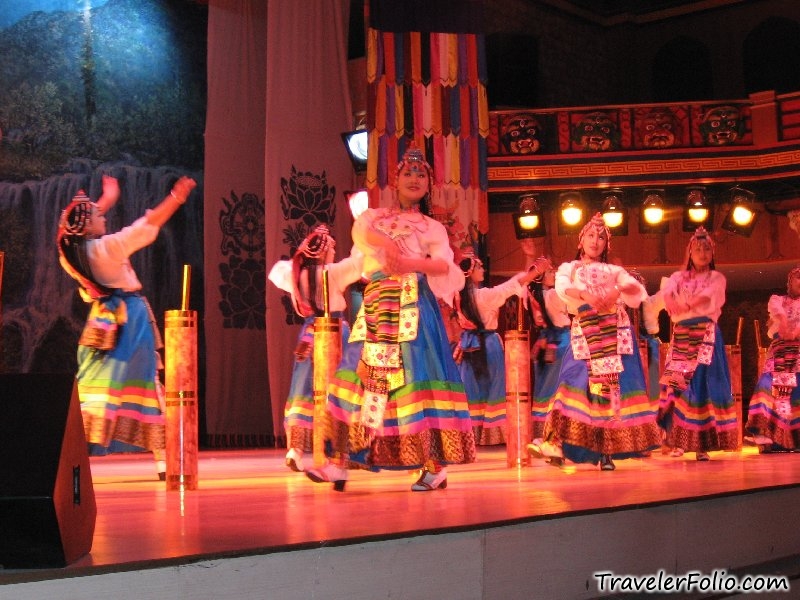
A showcase of colourful Tibetan traditional costumes.

Read More »