You are now browsing all posts tagged with Waterfalls


Lantau island

First time using Animoto for video compilation of photos taken from Lantau island, Hong Kong. Animoto rocks!

Look at the long queue all the way from the town centre to Tung Chung Cable Car Terminal (東涌). It was a Monday morning so we didn’t expect to see so many visitors going to Lantau island (大屿山). The ticketing counters only open at 10:00 am on weekdays; luckily we were already in the line around 9:30 am. Set off early to the cable car terminal for shorter queues!

Basically, there are two types of cable cars: the Standard cabin and Crystal cabin that features glass bottom floor. We bought a pair of Standard cabin (round trip) tickets at HK$107/pax… and followed another QUEUE again to take the cable car to Ngong Ping Cable Car Terminal for the main attraction of Lantau island – Tian Tan Big Buddha (天壇大佛), one of the five giant Buddha statues in China. I’ve seen the world’s largest giant Buddha in China too. Check out Leshan giant Buddha.

Enjoy a 25-min scenic ride from Tung Chung Cable Car Terminal to Ngong Ping Cable Car Terminal. While gliding across Tung Chung Bay, you will catch glimpses of Hong Kong International Airport on Chek Lap Kok island. It is one of the largest and busiest airports in the world.

A distant view of Hong Kong Int’l Airport from our cable car. The shot was taken using a 200mm zoom lens.

Ngong Ping 360 (昂坪360) cable cars.

While we can choose the easy way up to Ngong Ping Plateau via cable car, the tough ones can venture out on the 70-km Lantau Trail that weaves through the lush green forests of the island. It’s a strenuous hike that crosses over two of the highest summits on Lantau island. A Cantonese folk in our cable car even exclaimed that there are many snakes along the trail.

The ever-changing 360-degree panoramic view will keep you entertained throughout the 25-min cable car ride. Watch out for the waterfalls below you!

Soon, the magnificent gigantic Tian Tan Buddha statue looms into sight.

It’s amazing how they built the world’s largest outdoor bronze Buddha statue seated on the plateau.

Ngong Ping Village is just a few mins walk from Ngong Ping Cable Car Terminal. There are some attractions in this cultural themed village: Walking with Buddha (multimedia attraction), Monkey’s Tale Theatre and Ngong Ping Tea House. You can also have your lunch/snacks in this village. There is Starbucks too.

But hang on, if you want to try vegetarian food, walk further down to the popular vegetarian restaurant at Po Lin Monastery. You need to buy your meal ticket at the counter near the restaurant entrance. Basically, there are two sets of meal to choose: ordinary (HK$60/pax) or “deluxe” meal (HK$100/pax). This ticket also includes admission to the three halls right below the Tian Tan Buddha statue.

Our not-so-deluxe vegetarian meal for two persons. It comes with a pot of Chinese tea, 2 big deep fried spring rolls, lot of veggies, corns, mushrooms and soup… and a big pot of rice! :X This spread of dishes cost us around S$20 (HK$60 x 2). My rating for this lunch: 3.5/5. Quite a good meal for a hungry stomach!

Po Lin Monastery is located near Tian Tan Buddha.

Colourful prayer flags.

Tian Tan Buddha overlooks Po Lin Monastery.

To reach the Buddha statue, we have to climb 268 steps up the long flight of stairs. Still not too bad. It’s definitely worth the climb as the view from the top is simply awesome. Access to Tian Tan Buddha is free.

The giant bronze Tian Tan Buddha is seated with folded legs on the lotus throne. His raised right hand symbolises the removal of affliction and his left hand is a gesture of giving. The 34-metre tall Buddha statue was completed in 1993.

“The Offering of the Six Devas” surrounding Tian Tan Buddha.

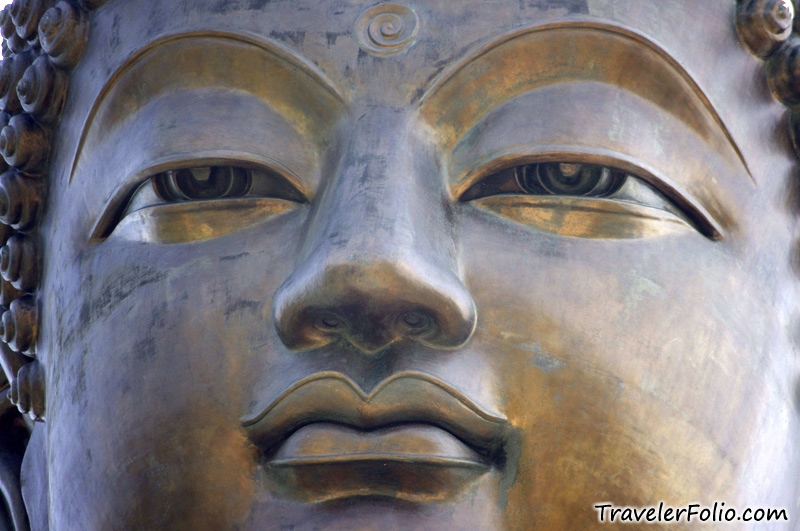
A close-up view of the Tian Tan Buddha statue using a 200mm zoom lens.

Look at the pair of eyes!

An impressive view of the surrounding islands and South China Sea as seen from the platform after climbing 268 steps!

What a great day with clear blue skies! A view of the giant Buddha as seen from afar. It took us half a day quick tour around Po Lin Monastery and Tian Tan Buddha in Ngong Ping on Lantau island.

The cable car will take you back to Tung Chung Cable Car Terminal. If you need retail therapy, head down to Citygate Outlets (premium outlets) near Tung Chung MTR Station for your favourite designer brands at bargain prices.

How to go to Tian Tan Buddha at Ngong Ping, Lantau island? (Via cable car.)

By MTR: Alight at Tung Chung Station (東涌) and get out from Exit B for a short walk to Tung Chung Cable Car Terminal.

Operating hours of Ngong Ping 360 cable car service: 10:00 am – 6:00 pm on weekdays; 9:00 am – 6:30 pm on weekends & public holidays.

Want to go Cheung Chau 長洲?

Videos of Tassie Day 6

Tassie Day 6: Scenic Stanley

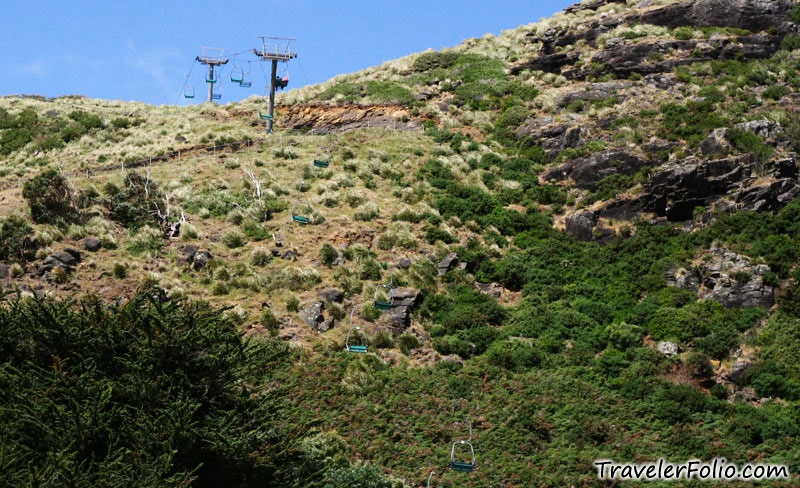
Our self-drive trip on Day 6 brought us to the far north west of Tasmania, one of the most pristine regions in the world. The Nut, an iconic feature of Stanley, is the remains of an old volcanic plug. Choose the walking track for a 20 min hike up 150 metres to The Nut or take the easy way up via The Nut Chairlift.

At Dip River Forest Reserve, appreciate the view of the magnificent two-tier Dip Falls descending down the cubic-basalt columns formed from the cooling of the volcanic rock.

Rocky Cape National Park is rich in Aboriginal history and features an abundance of wild flowers, rock pools and intriguing rock formations.

Day 6 – Scenic Stanley

The far north west of Tasmania has one of the most pristine regions in the world and Stanley is a great premier tourist town for guided tours to the amazing attractions in this underrated yet fascinating part of the world. Beachside Retreat West Inlet is one that hosts nature tours for their guests. Chris Bishop, a retired doctor and the owner of Beachside Retreat, was our guide for a relaxing half-day tour to The Nut, Blue Hills Honey Farm, Dip Falls, the Big Tree and Rocky Cape National Park.

The Nut, the distinctive plateau that we saw as we were arriving in Stanley, is just a few mins away from our accommodation. The iconic feature of Stanley is the remains of an old volcanic plug that was at first compared to a huge Christmas cake by explorers Bass and Flinders.

A panoramic view of The Nut. (Scroll right-left for full image.)

Chris drove us with his 4WD to The Nut. There is a walking track for a 20 min hike up 150 metres to The Nut or you can take the easy way up via The Nut Chairlift.

A view of picture-perfect Stanley as seen from The Nut! (Scroll left-right for full image.)

Have you tried Blue Hills Honey before? This premium brand of honey has its place on the shelves in NTUC Fairprice supermarkets in Singapore.

The Charles family has been in the honey production since 1955. In fact, Blue Hills is the first in Australia to export its products to Japan in the 60s. The honey maker produces a broad range of honeys and specializes in Leatherwood Honey that is produced by bees foraging for leatherwood tree nectar from the heart of the pristine Tasmanian Tarkine wilderness, the largest tract of temperate rainforest wilderness in Australia.

Different source of nectar gives a different taste of honey. The Leatherwood honey has a deliciously distinctive flavour with a smooth finish. I’m loving it and bought a few bottles of fresh honey to bring home the taste of the Tasmanian wilderness!

Address of Blue Hills Honey: 1858 Mawbanna Rd, Mawbanna, Tasmania, Australia 7321.
Web: www.bluehillshoney.com

We hopped onto the 4WD and continued our day trip to the Dip River Forest Reserve that’s less than 20km down Mawbana Road to catch the Dip Falls.

At the viewing platform, you can appreciate the magnificent two-tier waterfalls descending down the cubic-basalt columns formed from the cooling of the volcanic rock.

A further kilometre into the wet eucalypst forest is the home to the Big Tree, a 400 years old eucalypt obliqua. The Big Tree is a survivor, telling us it has escaped death from lightning strike, insect and fungal attack, wildfire and even the axes. Time yourself and see how long you take to walk around this giant tree!

This trip is suitable for family and is as easy as balancing on a humongous fallen tree!

Rocky Cape National Park lies between the Nut at Stanley and Table Cape near Wynyard. Small but rich in Aboriginal history, Rocky Cape features an abundance of wild flowers, rock pools and intriguing rock formations. There are also picnic areas and opportunities for swimming and boating on the unpolluted waters rich in marine life. This smallest national park of Tasmania is definitely worth closer inspection.

(Scroll right-left for full image.)

The Rocky Cape Lighthouse. Colourful lichens are prevalent on the rocks.

Back in Stanley, we dined in Stanley Hotel Bistro. The award-winning bistro serves some of Tasmania’s most renowned produce and specializes in making great pub food with local fresh and famous flavour. Built in the early 1840’s, the Historic Cellar within the premises is the oldest on the coast and is worth a visit to make your wine selection. Dine in or alfresco on the sunny deck to enjoy the awesome outdoor views of charming Stanley.

Freshly baked oyster topped with cheese and salmon… succulent lobster with a generous serving of crisp chips… big juicy scallops and for the first time, I tried wallaby meat. It was like duck meat but with a stronger taste.

Address of Stanley Hotel Bistro: 21 Church Street, Stanley, TAS 7331
Web: http://www.stanleytasmania.com.au/stanleyhotelbistro.html

Next… We are going to breath in the cleanest air in the world!

Read previous post: Day 6 – I Heart Stanley

The Aviary Kingdom (Part 1/3)

Who says there is no dinosaur fossil in Singapore?? I just dino dug a toothy one. Head down to Jurong Bird Park and you will discover more!

Trivia Qns: Guess who’s this sulky fellow that caught you peeping at him? Scroll down to the last for answer.

Little Conner flew all the way from the States to Singapore and decided to visit the famous Jurong Bird Park for his project about birds. Nice pose pumpkin! Let’s follow him to the African Waterfall Aviary.

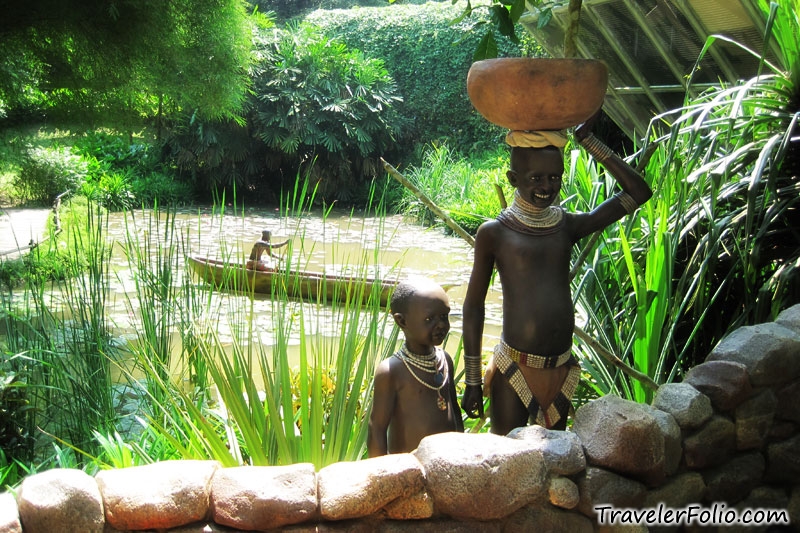
While you are engaging in the African scenery, don’t forget to greet the African warriors! Ni hao!? Read More »

Niagara Falls in Winter

The Niagara Falls are renowned both for their beauty and as a valuable source of hydroelectric power. Here are some photos taken from the Niagara Falls at New York side during the white winter in Dec 08 by Kelly.

Firstly, enjoy my slide/video from the Niagara Falls during our summer visit in 2007! Opps! The video has some problem with Youtube now. Let me fix it first…

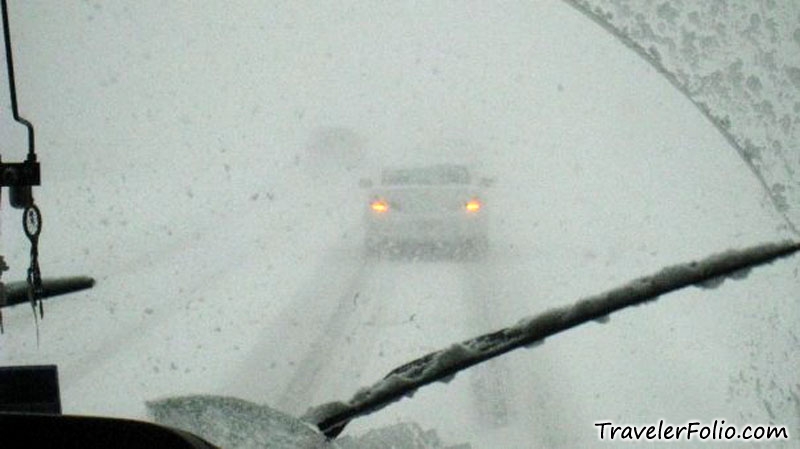
Kelly and her friend encountered a very heavy snow storm while on the way to the Niagara Falls. They were supposed to cross to Canada to view the falls but the tour was cancelled due to the harsh weather condition.

The startling green colour of the Niagara River is a visible tribute to the erosive power of water. An estimated 60 tons of dissolved minerals are swept over Niagara Falls every minute. The colour comes from the dissolved salts and “rock flour”, very finely ground rock, picked up primarily from the limestone bed but probably also from the shales and sandstones under the limestone cap at the Falls.

Terrapin Point, Horseshoe Falls.

Left bank: Buffalo, New York, United States.
Right bank: Toronto, Ontario, Canada.

The Toronto side of the view is known to be more spectacular than the American side of the view at the Niagara Falls. During our visit in summer’07, we took The Maid of The Mist to bring us to the base of the American Falls and then to the basin of the Horseshoe Falls. <- Click on the link to view pictures of the boat ride. Read More »

Yangmingshan National Park

Yangmingshan (阳明山) National Park is located in Taipei City, Taiwan. Famous for its hot springs, cherry blossoms, hiking trails, etc, the park has an area of 114.56km². It is named after a Ming Dynasty Chinese scholar – Wang Yangming. Fyi, “shan” means “hill” or “mountain”.

Click on this panoramic shot to enlarge or scroll left-right.

Read More »

Page 1 of 212